
Introduction to Hands-On Learning
As our world becomes increasingly digital, the need for a generation equipped with problem-solving skills and technological proficiency has never been more urgent. Hands-on learning, especially in coding and robotics classes for kids, stands out as a transformative educational approach. These classes provide a conducive environment where students actively engage with concepts, fostering not only knowledge retention but also creativity and critical thinking. This article will explore the multidimensional benefits of hands-on learning within the context of coding and robotics, highlighting its relevance for both students and educators.
Understanding the Importance of Practical Experience
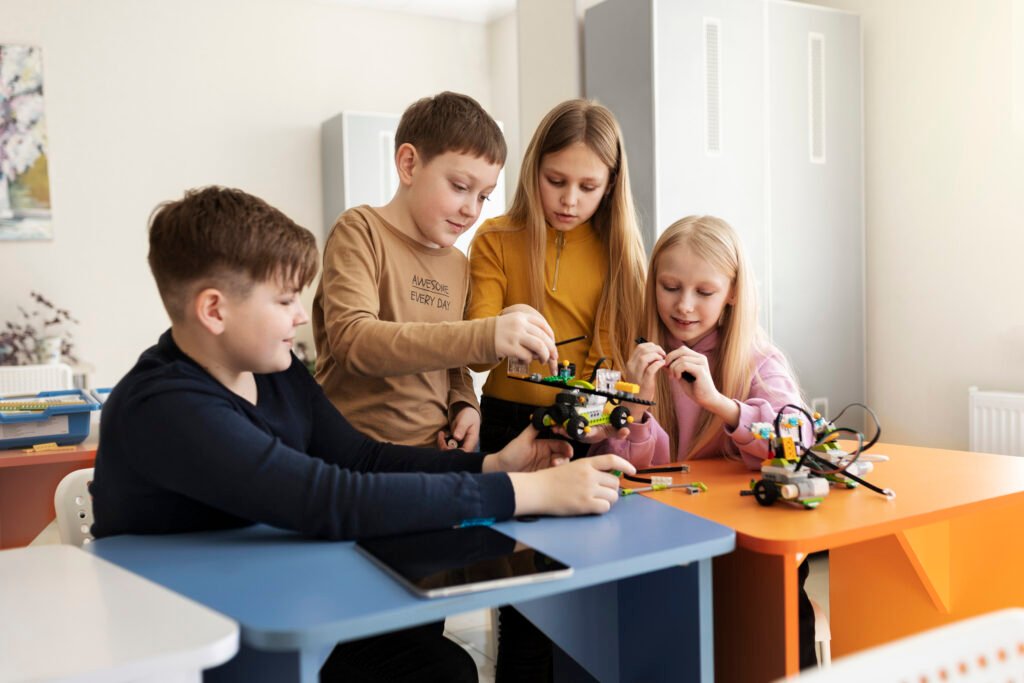
The educational paradigm has shifted significantly in recent years, moving away from traditional rote learning to approaches that emphasize experiential understanding. In coding and robotics, this shift manifests through practical exercises that allow students to apply learned theories to real-world situations. Practical experience solidifies abstract concepts, making them more relatable and understandable.
Moreover, incorporating hands-on activities into the curriculum stimulates engagement. Students often find it easier to learn complex coding languages or robotics principles when they can physically manipulate components and see the immediate effects of their actions. This tangible connection to their education ignites curiosity and enthusiasm, leading to deeper learning experiences.
Overview of Robotic Classes for Kids
Robotic classes for kids are becoming increasingly popular across educational institutions and community programs. These classes typically combine elements of engineering, programming, and creativity, enabling kids to build and program their robots. The curricula are designed to be both challenging and fun, often culminating in competitions or showcases where students can demonstrate their creations.
By participating in robotics classes, students not only learn technical skills but also develop soft skills such as teamwork, communication, and problem-solving. These classes serve as a foundation for future careers in technology, engineering, and related fields, ensuring that children are better prepared for a world that increasingly values STEM (Science, Technology, Engineering, and Mathematics) competencies.
Boosting Creativity by Turning Ideas into Real Projects
Creating Engaging Projects in STEM Education
One of the most rewarding aspects of hands-on learning in coding and robotics is the opportunity for students to transform their ideas into tangible projects. This process encourages creativity as students brainstorm, design, and build their projects. Whether it’s creating a simple game through coding or assembling a robotic arm, students experience the satisfaction of seeing their concepts come to life.
Such projects not only make learning enjoyable but also encourage students to think outside the box. They learn to approach challenges from multiple angles, experimenting with different solutions until they find one that works. This iterative process is crucial in fostering an innovative mindset, which is essential in today’s fast-paced technological world.
Realising Ideas Through Robotics
Robotics provides an excellent platform for students to engage with their creativity. The construction of robots requires both an understanding of mechanical design and the application of programming skills. Students learn to envision their robots and then translate those visions into reality through coding and engineering.
For instance, a student might decide to build a robot that can navigate obstacles. This project would require not only the ability to construct the physical body but also to write the code that controls movement. Such experiences empower students to think critically and creatively, as they must troubleshoot and adapt their designs to meet their goals.
Strengthening Logical and Computational Thinking
The Role of Logical Thinking in Coding
Coding inherently requires a strong foundation in logical thinking. Students must understand sequences, conditions, and loops as they write their code. This logical structure is akin to solving a puzzle; each line of code must fit together seamlessly to achieve the desired outcome. Engaging in coding activities helps students develop a systematic approach to problem-solving, laying the groundwork for analytical thinking skills.
Moreover, learning to code teaches students how to break down complex problems into manageable parts. This skill is transferrable to many aspects of life, allowing students to approach challenges methodically, rather than feeling overwhelmed by the entirety of a task. It builds resilience, enabling them to tackle even the most daunting coding projects with confidence.
How Robotics Enhances Computational Skills
Robotics enhances computational thinking in a unique way, as it combines both coding and hands-on engineering. Students gain experience in algorithms by programming robots to perform tasks, learning to anticipate how their code translates into movement and actions. This understanding is crucial, as it requires them to think critically about how different variables affect their robot’s performance.
Furthermore, robotics fosters a deep understanding of feedback loops. When a robot encounters obstacles or fails to perform as intended, students must analyze the situation, identify flaws in their coding or design, and make necessary adjustments. This dynamic process reinforces the importance of adaptability and critical thinking, crucial traits in our rapidly evolving world.
Building Confidence Through Experimentation and Innovation
The Value of Trial and Error in Learning
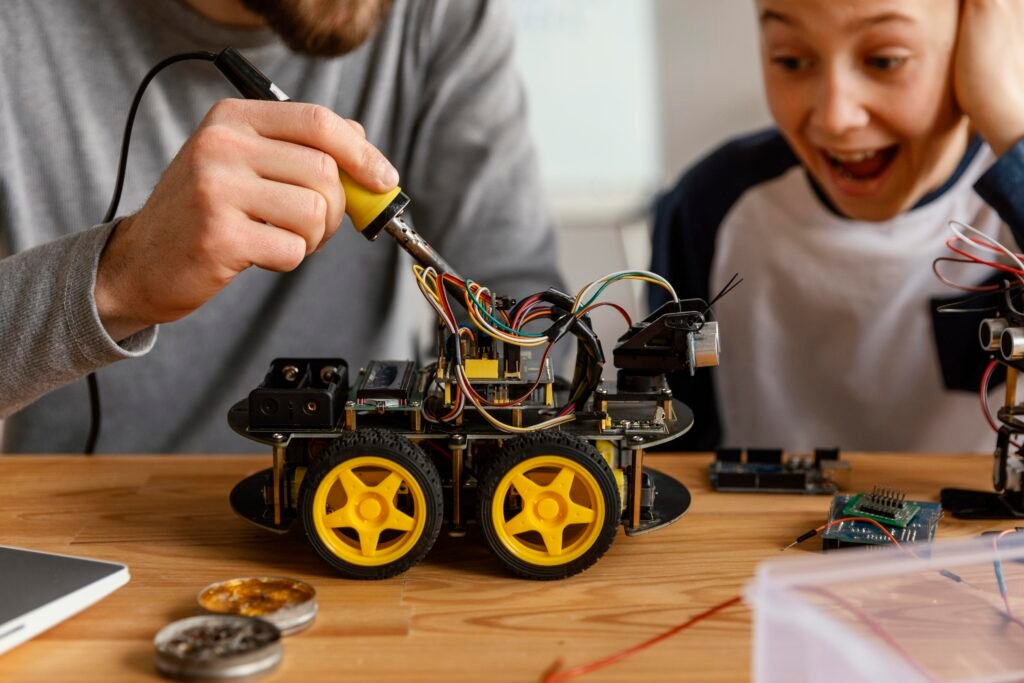
One of the most significant benefits of hands-on learning in coding and robotics is the acceptance of failure as a stepping stone to success. In a safe learning environment, students are encouraged to experiment, fail, and iterate on their projects. This trial-and-error approach not only cultivates resilience but also fosters a growth mindset, where students learn to view challenges as opportunities for improvement.
When students realize that failure is a natural part of the learning process, they become more willing to take risks. This newfound confidence can extend beyond coding and robotics, positively impacting their academic and personal lives. They learn that persistence and determination can lead to eventual success, a lesson that will serve them throughout their educational journeys and beyond.
Encouraging Innovative Thinking in Students
Hands-on learning in coding and robotics naturally encourages innovative thinking. As students engage with their projects, they are prompted to ask questions and explore different possibilities. The creative freedom they experience allows them to envision unique solutions to problems, which fosters innovation.
Educators play a crucial role in nurturing this innovative spirit. By providing guidance while allowing students the autonomy to explore their ideas, teachers can create an environment where students feel empowered to think creatively. This balance is vital for cultivating the next generation of innovators and problem-solvers.
Conclusion
In summary, hands-on learning through coding and robotics classes presents a multitude of benefits for students. From boosting creativity and logical thinking to building confidence through experimentation, these classes provide a rich learning experience that prepares children for future challenges. The integration of practical projects into STEM education fosters a love of learning, encouraging students to engage deeply with technology and innovation.
As the demand for tech-savvy individuals continues to rise, nurturing problem-solving skills through hands-on learning in coding and robotics becomes increasingly important. Educators must continue to embrace these methods, ensuring that students are not only prepared for future careers but also equipped to be creative, critical thinkers who can navigate the complexities of a fast-evolving world. By investing in these educational approaches today, we are paving the way for a brighter and more innovative tomorrow.