
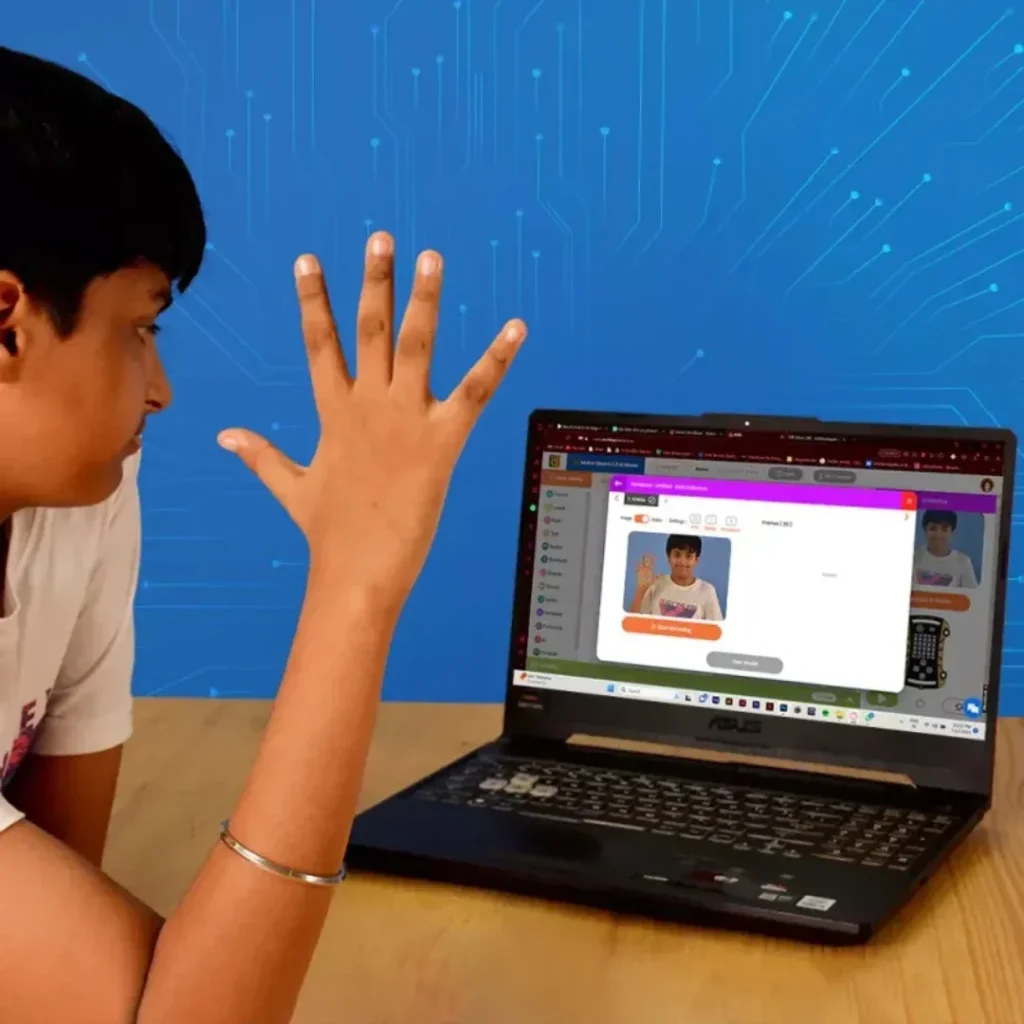
In today’s technology-driven world, coding has become more than just a technical skill — it’s a powerful tool that helps children grow as thinkers, innovators, and problem solvers. Coding classes for kids — whether focused on block-based visuals or robotics programming — offer a rich, hands-on environment where young learners can explore ideas, face challenges, and develop essential life skills. In places like Bellevue, WA, coding and robotics classes are increasingly popular because they help kids unlock creativity while boosting critical thinking and analytical abilities.
What Is Coding Education for Children?
Coding education for kids introduces them to the language of computers and technology in an age-appropriate way. This might include:
- Block coding (visual drag-and-drop programming for beginners)
- Scratch, Roblox, or game creation
- Robotics programming where kids build and code robots
- Text-based coding as they advance into Python and other languages
Many programs blend these approaches, giving kids opportunities to build projects, test ideas, and solve problems both individually and in teams.
How Coding Boosts Problem-Solving Skills
1. Breaks Down Complex Problems into Manageable Pieces
Coding naturally teaches children how to tackle big challenges by breaking them into smaller, solvable steps — a process known as decomposition. Whether figuring out how to make a game character jump at the right time or how to program a robot to follow a path, kids learn to approach tasks methodically.
2. Encourages Logical and Analytical Thinking
Writing code requires logical sequencing — children learn to think step by step, predict outcomes, and plan solutions in advance. This analytical mindset spills over into school subjects like math and science, where logical reasoning is key.
3. Promotes Persistence Through Debugging
Debugging — finding and fixing errors — is a core part of coding. It teaches kids that encountering problems isn’t failure but an opportunity to learn and improve. This builds grit and resilience, so when faced with obstacles, children don’t give up easily.
4. Fosters Creative Problem-Solving
Coding isn’t just about rules and logic; it’s also creative. Children use code as a tool to bring their ideas to life — whether it’s a game, a story, or a robot that performs a task. This creative process pushes them to think outside the box and devise unique solutions.
5. Enhances Collaboration and Communication
Many coding classes include teamwork projects where kids share ideas, troubleshoot together, and explain their thinking. This collaborative setting helps develop communication skills and teaches children to combine different problem-solving strategies for better results.
6. Connects to Real-World STEM Applications
Coding often intersects with other STEM areas, especially robotics. In robotics classes — such as AI & Robotics Academy offered a STEM Classes in Bellevue — kids build and program physical robots, giving tangible feedback on how their code works in the real world. This hands-on learning deepens understanding and encourages experimental problem-solving.
Coding Classes for Kids in Bellevue
Bellevue, Washington, is home to several engaging coding and robotics programs for children of all ages. For example, AI & Robotics Academy offers both Robotics Starter and Advanced Robotics classes where young learners (ages 4-14) build and program robots while developing confidence, creativity, and teamwork skills.
These classes use age-appropriate curricula that introduce coding basics (like loops and variables) and then progress to more complex tasks that require deeper problem-solving and strategic thinking.
Other local offerings — such as camps in Bellevue — may include LEGO robotics, game design, and more advanced coding pathways using Python and other languages. These environments are designed to spark curiosity and help children see the practical impact of their coding projects.
Robotics Coding Classes: A Hands-On Approach
Robotics coding classes combine mechanical building with programming. Kids learn to:
- Assemble robots and connect sensors and actuators
- Write code that makes robots move, respond to inputs, or complete challenges
- Debug and improve robot behavior through testing and iteration
This fusion of physical construction and logical thinking makes robotics coding classes particularly effective at strengthening problem-solving skills. Kids see immediate results of their code in the real world, which reinforces their understanding of cause and effect and encourages deeper experimentation.
Benefits of Robotics Coding
- Real-world application of programming logic
- Enhanced spatial reasoning and engineering mindset
- Encouragement of experimentation and innovation
These experiences help children not just learn how to code but understand why their solutions work — or don’t — and how to improve them.
The Long-Term Impact of Coding Education
Children who learn to code don’t just gain technical skills — they also build:
- Confidence from completing projects and overcoming challenges
- Adaptability when they learn new tools or languages
- Academic improvement as logical thinking supports other subjects
- Preparation for future careers in technology and beyond
By nurturing these skills early, coding classes help children become resilient, independent thinkers ready for the challenges of the future.
Frequently Asked Questions (FAQs)
1. At what age should kids start coding classes?
Most coding programs are designed for children as young as 4–5 years old using visual, block-based coding tools. As children grow older, they can transition to more advanced, text-based coding languages like Python. The key is to start with age-appropriate activities that make learning fun.
2. Do kids need prior coding experience to join robotics coding classes?
No, many robotics coding classes — including beginner programs in Bellevue — are designed for complete beginners. These classes start with basics like simple programming logic and robot building before moving on to advanced concepts.
3. How do coding classes help with problem-solving in everyday life?
Coding teaches children to analyze situations, break complex problems into smaller parts, test solutions, and learn from mistakes. These skills translate to everyday life challenges — from school projects to personal decisions — helping kids approach problems methodically and confidently.