
One Class a Week
Month to month
The weekly small-group class only. Same badges, slower climb.
- Weekly class of four
- Badge Days included
- Cancel any time
$159/month
One small-group class a week — 4 children, one coach, their own badge project — and the run of the lab in between. Come as often as you can book, not as often as you paid for. Ten badges, from the first bolt to a robot that learns.
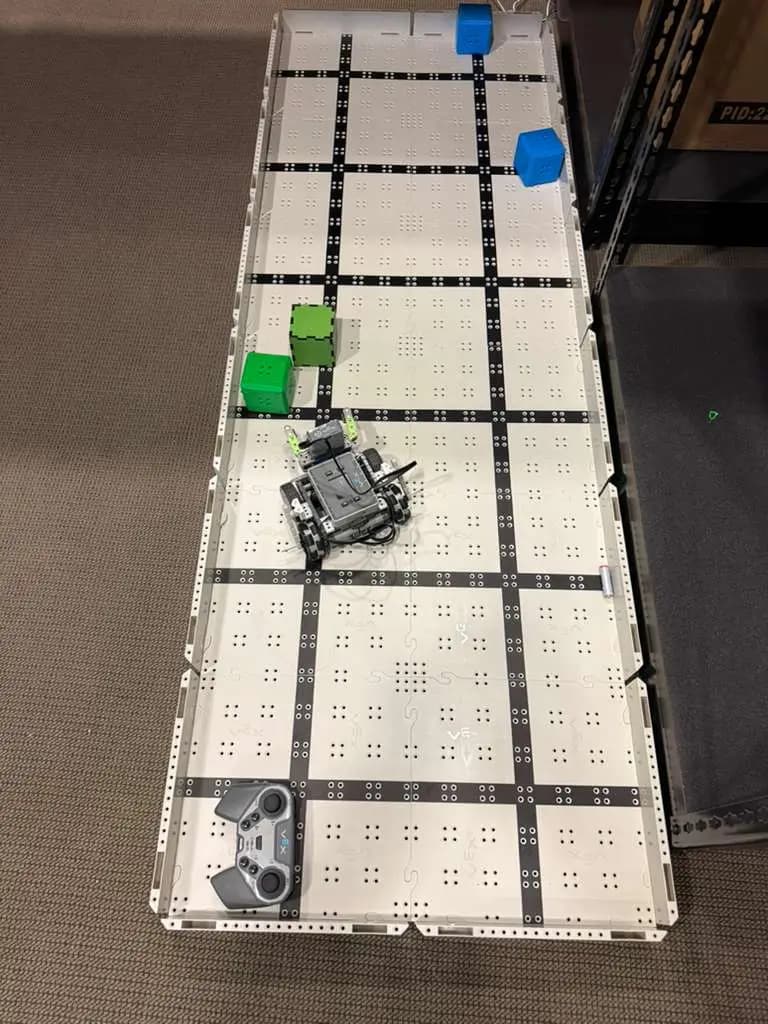
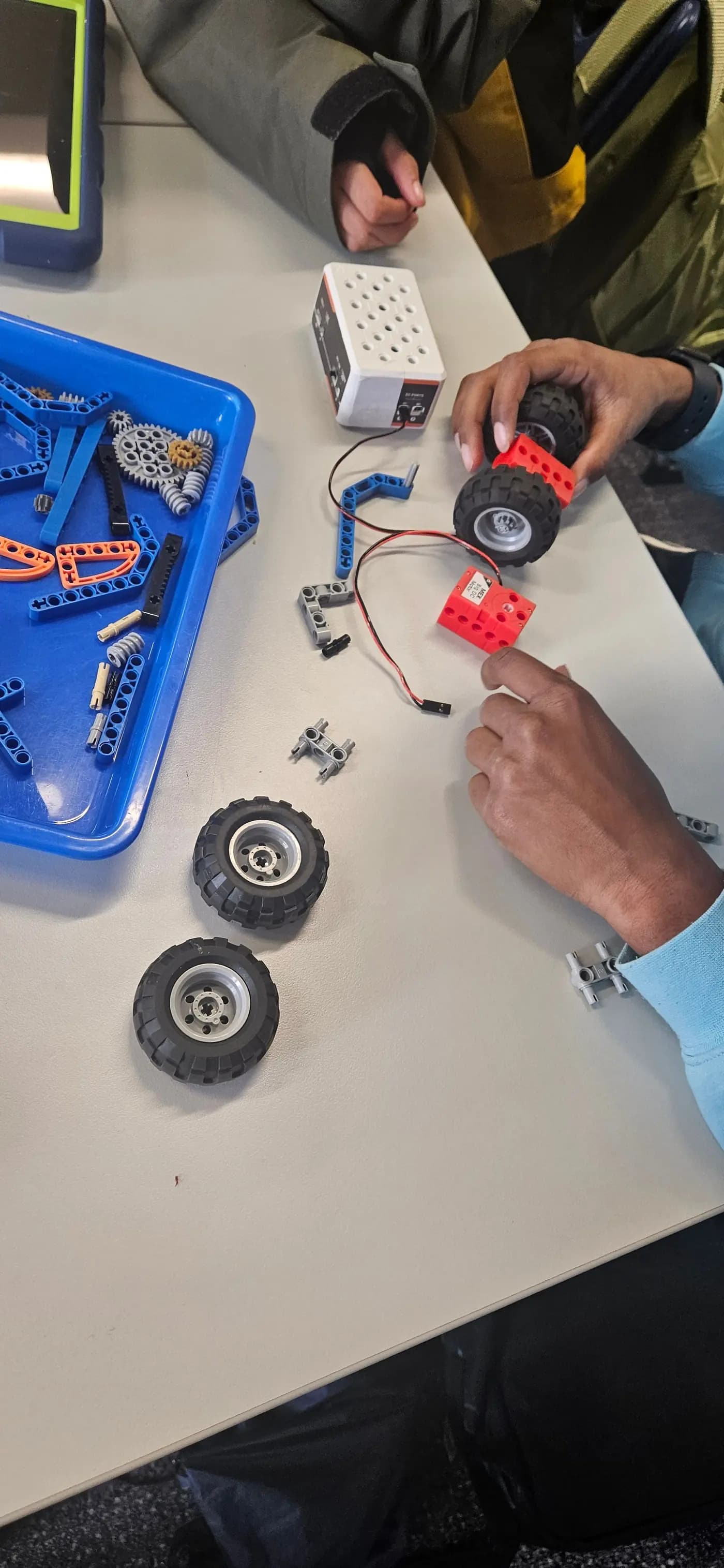
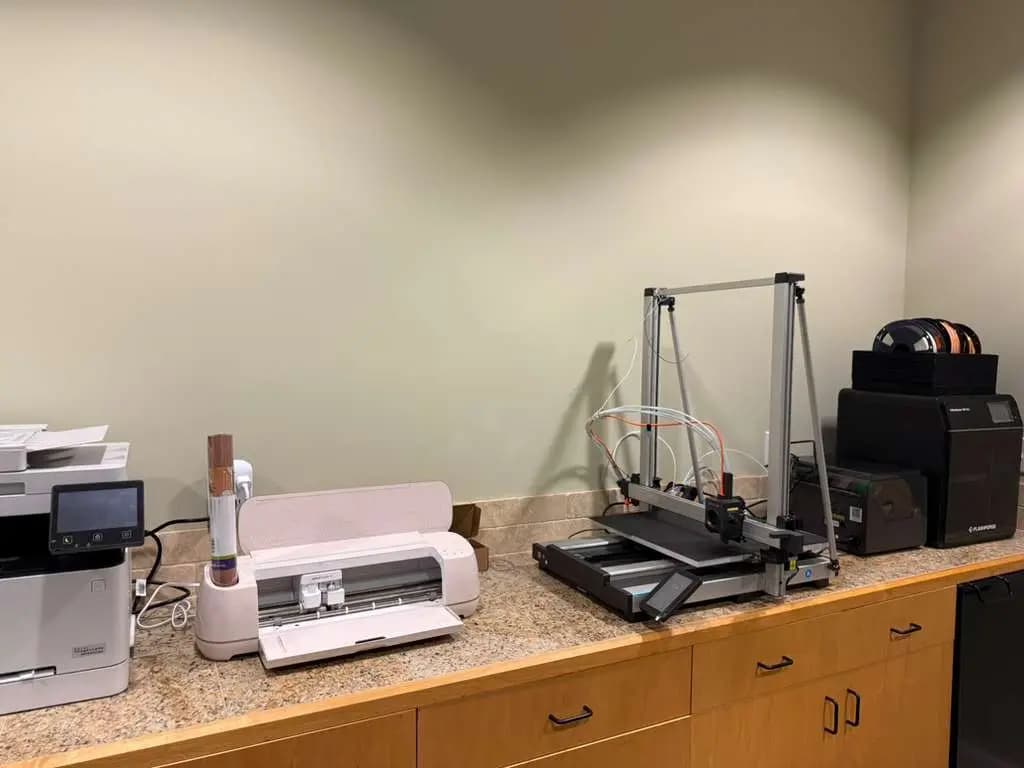
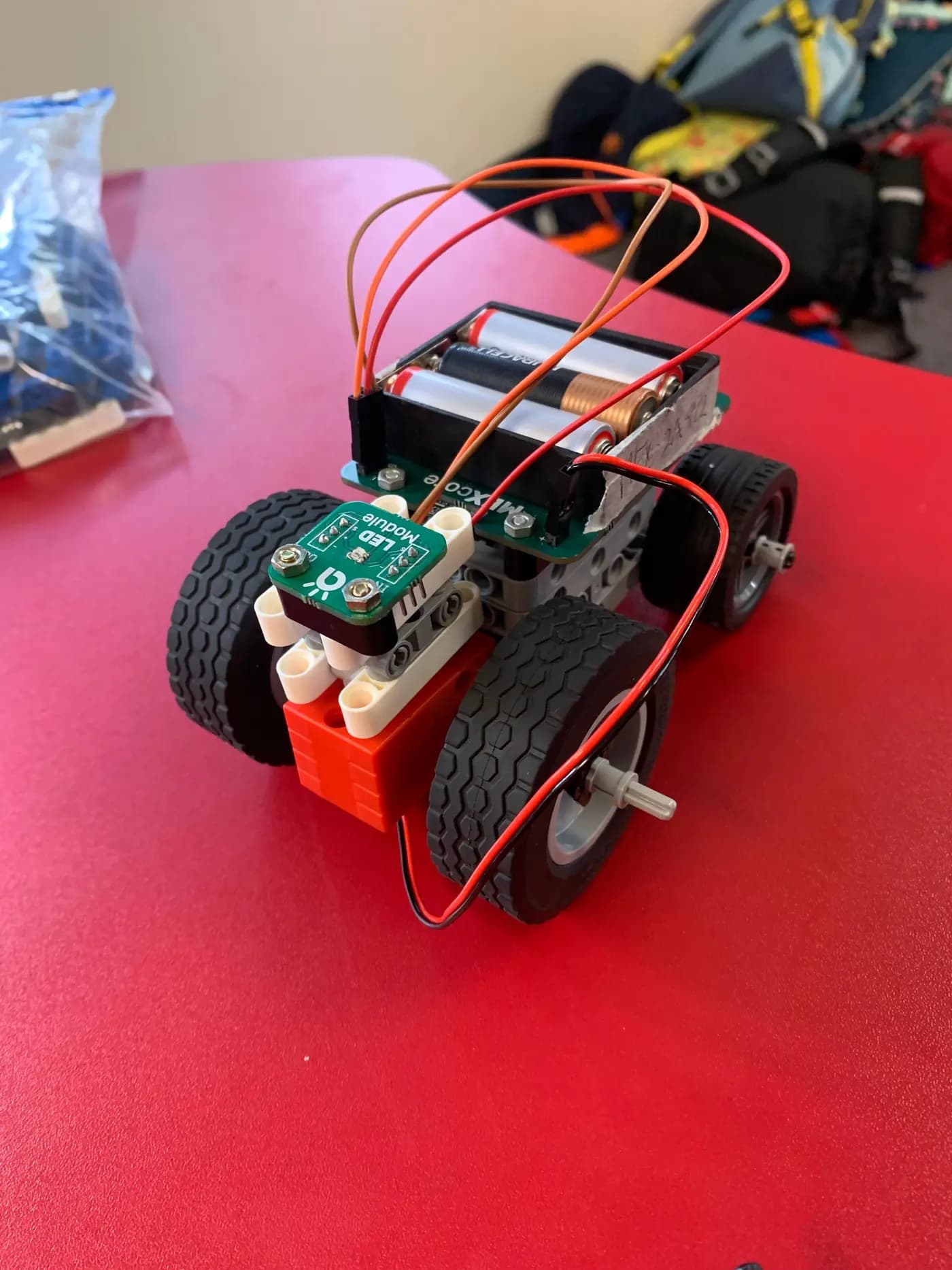
4 children at most, one coach, the same hour every week. This is where the badge work happens.
Any other weekday 5–6 PM, as often as you like. Tell us the day before and the bench and the kit are ready.
Each one a part of a robot, earned in order from Bolt to Mind. Tested when they are ready, not when the calendar says.
About every eight weeks: the test, the award in front of the room, and you are invited.
One membership, three ways to commit — and a single weekly class below it if that is all you want. Every membership is the same club; you are choosing how long you promise, not how much they get.
Month to month
The weekly small-group class only. Same badges, slower climb.
$159/month
Cancel any time
The weekly class and unlimited club practice, with no commitment.
$279/month
Six-month commitment
Everything in the club, at a lower monthly rate for six months.
$279
$249/month
Twelve-month commitment
Everything in the club, at the lowest monthly rate for a year.
$279
$229/month
Month to month cancels any time. The 6- and 12-month rates are commitments for that term, billed monthly. No enrolment fee, no badge-test fee — the price is the price.
One membership, three ways to commit — and a single weekly class below it if that is all you want. Every membership is the same club; you are choosing how long you promise, not how much they get.
Month to month
The weekly small-group class only. Same badges, slower climb.
$159/month
Cancel any time
The weekly class and unlimited club practice, with no commitment.
$279/month
Six-month commitment
Everything in the club, at a lower monthly rate for six months.
$279
$249/month
Twelve-month commitment
Everything in the club, at the lowest monthly rate for a year.
$279
$229/month
Month to month cancels any time. The 6- and 12-month rates are commitments for that term, billed monthly. No enrolment fee, no badge-test fee — the price is the price.
Ten badges, each a part of a robot, earned in the order a robot gets built — from the first bolt on the bench to a machine that learns. Coding and robotics together at every level: the code makes the robot do something, and the robot shows whether the code was right.
Every robot starts with one bolt.
The idea. The robot does exactly what you say, in exactly that order — nothing more, nothing less.
On the bench. Their first drive bot — chassis, two motors, wheels — assembled and taken apart with their own tools.
Badge testDrives a course they have not seen, then explains one mistake they fixed on the way.
Round and round — that is the whole idea.
The idea. Anything you would write twice, you write once and repeat.
On the bench. Gear trains on the drive — swap ratios and feel speed against strength — and a light strip to pattern.
Badge testDrives a hexagon with a six-times loop, then turns it into an octagon by changing a single number.
Sense first. Then decide.
The idea. The robot decides for itself — if this, then that — and it must know what to do otherwise.
On the bench. A distance sensor and a colour sensor, mounted, wired and calibrated on their own bot.
Badge testThe robot completes an obstacle course it has never seen while the child narrates each decision it makes.
It holds something, and the something changes.
The idea. The robot remembers — a value with a name, changing while the program runs.
On the bench. A display on the bot and encoders so it can count its own wheel turns; a robot game with a goal counter.
Badge testBuilds a robot game whose score rises and falls on the display and ends at a target — and predicts the final score on paper before running it.
Build it once. Wire it in anywhere.
The idea. Name a chunk of work once and call it by name — with inputs, so one piece does many jobs.
On the bench. Their own circuit module — button, LED, buzzer on a board — plugged into the bot as a physical reusable block; the first servo.
Badge testSolves a new course using only their own function library — then hands the library to a classmate, who uses it unchanged.
Many positions, one name.
The idea. Many values under one name — recorded, replayed, searched.
On the bench. A gripper arm on two or three servos; record-and-replay of arm positions; sensor logging across a run.
Badge testTeaches the arm a pick-and-place by hand, replays it three times reliably, then moves the drop point by editing the list — no re-recording.
The same brain, in its real language.
The idea. The same ideas, typed. The syntax has to be exact — and the error message is the clue, not the enemy.
On the bench. The same bot, now programmed in Python.
Badge testPorts their Arm project to Python so it runs identically, then fixes three planted bugs using only the error messages.
Things that talk to each other.
The idea. A thing with its own state and its own actions — and many of them, alive at once.
On the bench. Two bots talking over radio; each subsystem of the robot written as an object.
Badge testOne class, two robots — follow-the-leader or a relay — and the child explains what the two share and what each keeps to itself.
Where every system meets.
The idea. Design how the parts fit before building — so a bigger machine does not collapse under its own code.
On the bench. A mission robot — drive, arm, sensors, display — at competition scale, built by a team of three with divided modules.
Badge testLeads a three-stage team mission: their module integrates with two others’, the robot completes it, and they present the design diagram.
It learns.
The idea. Instead of writing the rule, you show examples — and then you have to prove it really learned.
On the bench. A camera on the bot; a classifier trained on the child’s own labelled data; a capstone invention of their own design.
Badge testCapstone Show: an original robot that uses something it learned, demonstrated to the room, with a one-page “how it works” in the child’s own words. Minds mentor at Badge Days.
About eight weeks a badge at two visits a week — tested, not timed. A child moves up when they can do the test; an older starter is placed higher at the free demo.
4 children at most, one coach, the same hour every week — agreed with you when you join, within our weekday 5–6 PM hours. Each child works on their own badge project; the coach knows exactly where each of them is on the ladder.
Any weekday 5–6 PM that is not their class hour, as often as you can book it — the timetable is the only limit. Tell us the day before, by text or email, so the bench, the kit and a coach are ready. We ask you to book so your child is never one of twenty.
Ten badges, each a part of a robot, earned in the order a robot gets built: Bolt, Gear, Sensor, Battery, Circuit, Arm, Chip, Antenna, Core, Mind. A badge takes about eight weeks at two visits a week, but it is tested, not timed — a child moves up when they can do the test, and an older starter is placed higher at the free demo. Badge Days are about every eight weeks, and parents are invited.
Month to month cancels any time — no notice period, no fee. The 6- and 12-month rates are commitments for that term, billed monthly, at a lower rate for the longer promise. Life happens; if you must stop early, talk to us.
No. The price is the price. Badge Days are part of membership.
No. Everyone starts with a free demo, which is how we place them: a complete beginner starts at Bolt, and a child who already codes starts wherever their skills actually are.
Yes — term time follows each campus's school-district calendar for closures, and we tell you about break weeks in advance. Camps run in the breaks, and members get a personal code for a discount on them.
A free demo places them on the ladder. Then pick a plan, and we agree the class hour with you.